If you live in a Toronto condominium in North York, pest issues can quickly become building-wide problems faster than many people expect. Dense residential towers, shared walls, and common service areas mean a small issue in one suite can spread through an entire floor or stack. That is why effective pest control North York residents can rely on needs to handle more than a single unit; it has to account for building systems, condo board communication, and long-term maintenance.
In North York, ON, condos along Yonge Street, Sheppard Avenue, and other major corridors are often part of larger mixed-use developments or multi-family housing complexes. Winter heating keeps interiors warm year-round, while steady food traffic, deliveries, and shared corridors create ideal conditions for pest pressure. Whether you are an owner, tenant, landlord, or part of property management, understanding how condo pest control works is crucial for keeping your home comfortable and compliant.
Why condos in North York are prone to pest problems
North York condo buildings are especially susceptible because they blend high density with shared infrastructure. In a typical tower, one pest infestation can spread through utility chases, shared walls, and common service voids long before residents spot the source. This is a major challenge in multi-unit housing, where pests can hide in hard-to-reach spaces and establish harborage behind finishes and mechanical systems.
Shared walls make it easier for cockroaches, bed bugs, ants, and mice to move between suites. Utility chases and vertical service stacks can also connect multiple floors, allowing pests to move through plumbing and electrical pathways. In residential towers, the issue is often not just whether a unit has pests, but whether the building has enough inspection, hygiene, and exclusion measures in place to stop them from spreading.
North York’s dense urban layout adds another layer of pressure. Buildings near transit hubs and mixed-use developments tend to have constant movement of people, parcels, waste, and food, all of which can increase pest activity. In neighborhoods like Willowdale, Bayview Village, York Mills, and Downsview, a proactive approach is especially important because pest pressure can rise quickly when one suite or commercial space becomes an entry point.
The most frequent condo infestations in North York
Many pests show up repeatedly in North York condo pest control calls, and each one requires a different approach.
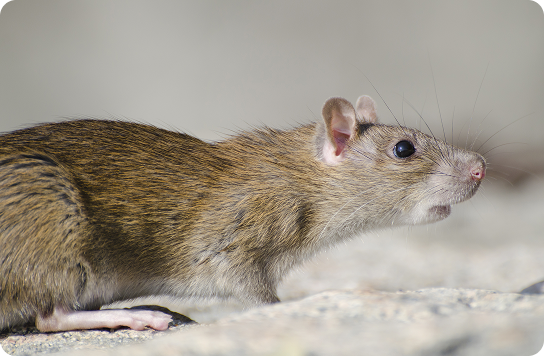
- Cockroaches are among the most persistent pests in condos because they thrive in heat, humidity, and food residue. They often hide in kitchens, bathrooms, and wall voids. Bed bugs are a common problem in high-density buildings because they spread easily through luggage, furniture, laundry, and adjacent units. Ants are most active when they find food crumbs, water sources, or small entry points around windows and baseboards. Mice can enter through small openings and may nest in storage rooms, utility areas, or behind appliances.
Other pests can also appear in a Toronto condominium. Silverfish often show up in damp spaces such as bathrooms, laundry rooms, or storage closets. Wasps are more of a seasonal concern, especially around balconies, rooflines, and exterior vents in warmer months. Even if these pests seem rarer than cockroaches or mice, they still require fast action because conditions in condos can help them spread rapidly.
The right treatment depends on the pest, the level of infestation, and where the activity is happening. That is why inspection and accurate identification are critical before any extermination begins. Misidentifying the pest can lead to delays and repeat issues.
How pests spread between units in apartment and condo towers
In apartment and condo towers, pests rarely are contained to one suite. They move through plumbing lines, electrical conduits, and hidden spaces inside walls and ceilings. These pathways are particularly common in high-rise buildings where multiple units stack vertically and share the same building systems. Once pests gain entry, they can spread from one floor to another without being seen.
Baseboards and gaps around trim also create easy movement routes, especially when caulking has failed or maintenance has been delayed. Bed bugs may travel through upholstered furniture and luggage, while cockroaches and mice can move through small openings in service closets, pipe penetrations, and laundry chutes. Balconies can become a further problem, particularly if residents store food, bird seed, or clutter outdoors. Pests can move across balcony dividers or enter through open doors and damaged screens.
This is why condo pest control must involve building-wide coordination. If one suite receives treatment but nearby units, shared corridors, or waste areas are not addressed, the pest problem can simply come back. Monitoring is especially important in residential towers because activity may not be visible until the infestation has already spread. A localized treatment can work, but only if it is supported by exclusion, sanitation, and follow-up treatment throughout the affected area.
Warnings your North York condo may have a pest concern
Many residents do not notice they have a pest issue until the signs become more noticeable. Prompt detection makes treatment more manageable and helps avoid a larger infestation.
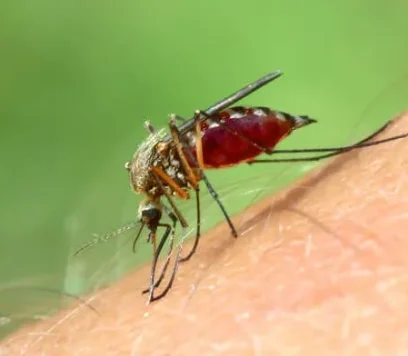
- Droppings near cabinets, appliances, skirting boards, or storage areas can indicate mice or cockroaches. Odor can be a sign of an established pest problem, especially with cockroaches or mice in closed spaces. Shed skins are often connected to bed bugs, cockroaches, and other insects that molt as they grow. Bite marks on skin, furniture, or packaging may indicate bed bugs, rodents, or chewing pests.
Further warning signs include grease trails, live insects at night, unusual scratching sounds in the walls, or small holes in food packaging. If you see these problems in your North York, ON condo, do not wait for them to resolve on their own. Pest activity tends to grow when conditions inside remain warm and stable, especially during winter heating season, which can support pests throughout the year indoors.
Because condos often have shared infrastructure, even a minor sign in one unit can indicate a broader issue. Residents in North York should report concerns quickly so property management can determine whether the problem is isolated or part of a building-wide pattern.
What condo owners, tenants, and property managers should do first
The first step is always communication. In a condo setting, pest problems are rarely solved by one person acting alone. The property manager should be notified as soon as signs appear, because they can coordinate inspection, access, and a comprehensive building response if needed. The condo board may also need to be involved, especially if shared spaces or multiple units are affected.
Landlords and tenants each have responsibilities, and those responsibilities can vary based on the rental agreement, condo rules, and the location of the infestation. Tenants should report pest activity promptly, keep the unit reasonably clean, and cooperate with inspection and treatment. Landlords must ensure the unit remains habitable and work with property management when the issue involves the building structure or adjacent suites. Owners should review condo bylaws and communicate with the condo board when an issue may affect neighboring units.
The next essential step is an inspection. A trained technician can identify the pest, assess the level of infestation, and look for entry points, moisture issues, and signs of movement between units. That inspection should include kitchens, bathrooms, closets, utility access areas, and any areas where monitoring devices or trap placement could be required.
For condo buildings, coordination is just as important as treatment. If the problem involves shared corridors, service rooms, or multiple stacks, the best results usually come from a combined plan that includes sanitation, exclusion, and targeted control measures across the affected area.
Treatment choices for condo pest control in North York
Successful condo pest control in North York typically uses an integrated pest management approach rather than a single instant remedy. Integrated pest management combines checking, tracking, exclusion, hygiene measures, and strategically chosen treatment methods to lower pest activity while minimizing disruption to residents.
Targeted treatments are often used when the pest issue is confined to certain rooms or structural areas. These treatments are focused and low-profile, which is helpful in occupied units where residents need limited inconvenience. For example, localized treatment may be applied to baseboards, wall voids, or entry points where pests are active.
High-heat treatment is commonly considered for bed bug infestations because it can reach hidden spaces and kill pests in multiple life stages when applied correctly. In condo settings, heat treatment can be effective, but it must be planned carefully because neighboring units and building materials may require extra attention.
Baiting methods are especially useful for cockroaches and some ants. These systems lure pests to consume a controlled material that is carried back to the colony, helping cut down the population over time. Bait stations may also be used for mice in certain situations, along with trap placement in key areas.
Regular monitoring is a key part of long-term success. Traps, monitors, and routine inspections help verify whether pest activity is decreasing or whether a follow-up treatment is needed. Exclusion work, such as sealing gaps and repairing penetrations, helps prevent re-entry. In many condo towers, the best approach pairs extermination with sanitation improvements and long-term prevention rather than relying on one-off service alone.
How to get ready for a condo unit for pest control service
Proper preparation makes treatment more effective and speeds up results. Before service, residents should pay attention to decluttering, doing laundry, food storage, and vacuuming so technicians can access key areas and the pest population has fewer places to hide.
Decluttering is especially important in closets, storage areas, and around beds or sofas. Pests like bed bugs and cockroaches use clutter as hiding places, which makes treatment less effective and inspection more difficult.
Laundry should be handled according to the technician’s instructions. Bed bug treatment often requires bedding, clothing, and fabric items to be bagged, washed, and dried on high heat where appropriate.
Food storage should be sealed tightly. Open food, pet food, and crumbs can interfere with baiting systems and attract cockroaches, ants, and mice. Keep pantry items in sealed containers and remove garbage before the appointment.
Vacuuming helps remove debris, eggs, and loose material from floors and edges. Pay attention to baseboards, furniture seams, and areas under appliances where pests may hide or leave evidence behind.
Residents should also make accessible closets, under sinks, and utility spaces so technicians can complete the inspection and apply localized treatment where needed. If you live in a busy North York building, make sure elevator or entry arrangements are confirmed in advance so the service can proceed without delay.
Preventive tips for North York condos year-round
Prevention is the best way to reduce pest pressure in condo buildings. In a dense area like North York, year-round prevention matters because indoor conditions remain comfortable even when outdoor temperatures drop. Winter heating can make units attractive to pests seeking warmth, food, and moisture.
Sealing entry points is one of the essential steps. Gaps around pipes, windows, doors, vents, and baseboards should be repaired as part of routine maintenance. Even tiny openings can allow mice, cockroaches, and ants inside.
Garbage disposal must be dealt with carefully. Residents should place waste in designated areas, avoid placing bags in hallways or balconies, and report overflowing bins or unsanitary common areas to property management at once. Good waste practices help reduce pest activity and support a cleaner building environment.
Moisture control also plays a major role. Leaks under sinks, condensation around windows, and damp laundry areas can support pests such as silverfish and cockroaches. Dry conditions reduce harborage and make units less attractive. Quick fixes can also help limit these problem areas before they worsen.
Maintenance schedules should include regular inspections of common areas, trash rooms, mechanical spaces, and basement levels. Condo boards and property management teams can reduce recurring issues by monitoring service records, scheduling preventive monitoring, and addressing building defects before they become pest access points. Ongoing inspections make it easier to catch issues early.
Residents should also keep an eye on seasonal activity. Ants may increase in warmer months, wasps may appear around balconies, and bed bugs or cockroaches can remain active throughout the year indoors. A prevention plan that covers all seasons is much more effective than waiting for an infestation to appear. Consistent monitoring helps stop small problems from becoming major ones.
When to call a professional pest control company in North York
You should call a professional when the problem keeps returning, when multiple units are affected, or when you suspect pests are moving through walls or shared systems. Recurring infestations often point to a building-level issue that requires expert inspection, monitoring, and follow-up treatment. Early intervention can help prevent a broader spread.
Professional help is especially important if you need same-day service, if the infestation involves bed https://sites.google.com/view/pest-control-east-york/ bugs or mice, or if residents are struggling to identify the source. Licensed technicians understand how pests behave in high-rise condo settings and can recommend the right combination of exclusion, bait stations, trap placement, and targeted treatment. Experienced specialists can also tailor the approach to the building layout.
In North York, a strong pest control partner should also understand condo board coordination and the realities of working in occupied residential towers. That includes discreet service, clear communication with property management, and follow-up treatment to confirm the issue is under control. Because pests can travel between suites and shared corridors, success often depends on treating the whole affected area rather than just one visible hotspot. Careful planning can make a major difference.
If you notice repeated droppings, an strange odor, bite marks, or traces of activity in multiple rooms, do not wait. The more time pests stay in place, the harder extermination becomes. Quick action protects your unit, your neighbors, and the entire condition of the building.
Frequently Asked Questions about condo pest control in North York
How can I tell if my North York condo has cockroaches or bed bugs?
Cockroaches are often found near cooking areas, washrooms, and hidden warm spots, especially at night. Indicators include droppings, odor, shed skins, and live insects around baseboards or appliances. Bed bugs are more likely to be found in bedrooms and living areas, with bite marks, shed skins, tiny blood spots, and activity around mattresses, bed frames, and furniture seams. An inspection is the best way to confirm the pest.
Who is responsible for pest control in a condo building: the owner, tenant, or condo board?
Liability varies by the source of the issue and the applicable regulations of the building. Tenants are usually expected to report pests immediately and work with treatment. Landlords and landlords may be responsible for the unit and for coordinating service. The condo board and property management often handle shared spaces, building systems, and coordination when multiple suites are affected. Often, everyone involved must collaborate.
What is the best treatment for pests in high-rise condo units?
The best approach depends on the pest. For cockroaches and ants, bait setups and direct treatments are often successful. For bed bugs, heat treatment may be suggested in some situations. For mice, exclusion, trap placement, and monitoring are important. In high-rise buildings, integrated pest management is usually the strongest approach because it combines inspection, sanitation, exclusion, and follow-up treatment.
What should I do to prepare my unit before pest control arrives?
Focus on tidying up, laundry, food storage, and vacuuming floors. Make sure technicians can reach affected areas, especially closets, under sinks, and around beds or appliances. Close food items, remove garbage, and adhere to any instructions given by the pest control company. Thorough preparation helps the service work more efficiently and reduces the chance of pests hiding during treatment.
How long does it take to get rid of pests in a North York condo?
The timeline depends on the pest, the scope of the infestation, and whether nearby units or shared areas are involved. Some problems clear up fast after treatment, while others require follow-up treatment and regular checks. Bed bugs and cockroaches in multi-unit buildings usually take more time because they can move through shared infrastructure. A coordinated plan with property management and condo board support usually leads to better results.